



A clear sky offers you the opportunity to wonder at the beauty of the stars. In particular, camping outside the city is perfect for stargazing. Alternatively, you could learn about constellations to direct yourself at night. In fact, pre-GPS people used the stars to guide themselves, too.
However, reading the stars can be difficult. Not only do you need to know their shape, but you also need to know how to locate them. Plus, they're not always visible, so you need to know which season you're most likely to find these constellations.
In this blog, we'll explore constellations that are easy to locate. Additionally, we'll reveal their myths and the origin of their names.
Exploring Easy Star Constellations
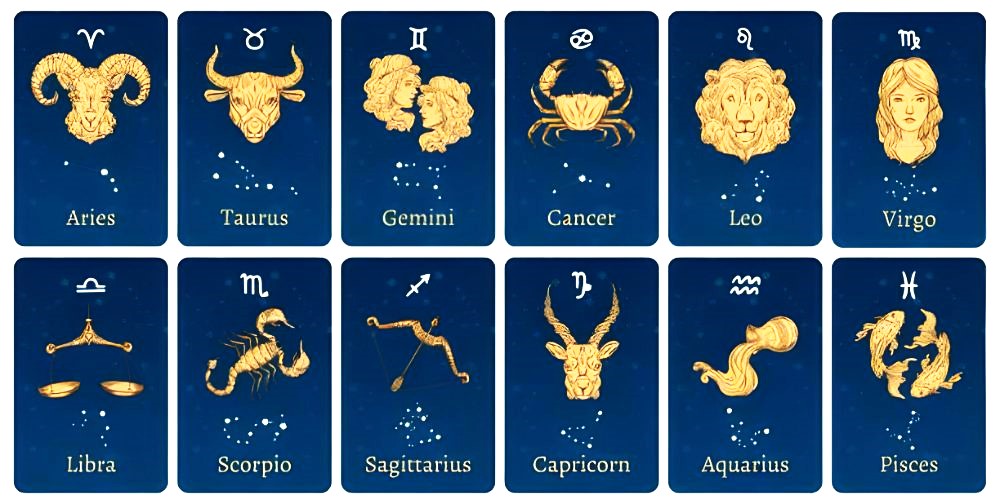
In total, there are 88 constellations. But the idea of learning them all is overwhelming. So, let's start with the easiest constellations to find.
Ursa Major Constellation
The first constellation you'll easily find is the Ursa Major. It's otherwise known as the Great Bear. It's visible year-round. Plus, it has the recognizable Big Dipper group of stars. To find it, look north. The Big Dipper is near the highest point of the sky and looks like a saucepan with a long handle. Containing the following bright stars:
- Benetnash (also known as Alkaid)
- Mizar-Alcor
- Alioth
- Megrez
- Dubhe
- Merak
- Phad (also known as Phecda)
This constellation's name comes from a Greek myth involving the nymph Callisto and the god that reigns over Olympus, Zeus. Together, they had a child named Arcas. Upon hearing of this affair, Hera, Zeus' wife, was angry and transformed Callisto into a bear. Later, when Arcas grew up, he became a hunter. One day, he chased a bear who was his own mother. Zeus saves Callisto by transforming Arcas into a bear and casting both mother and child into the sky.
Orion Constellation
In winter, the Hunter Orion is an easy star constellation to locate. In particular, it's visible during the colder months because of the way the planet moves around the sun throughout the year. Therefore, it's during the winter that the Hunter-Orion constellation is easiest to see from the northern hemisphere.
If you wish to locate the Hunter Orion, you'll first need to locate its asterism. An asterism is the most noticeable group of stars in a constellation. Orion's belt is the Hunter Orion's asterism. It contains three stars: Alnitak, Alnilam, and Mintaka. These three stars lie in a straight line.
Meanwhile, Orion's body has the bright stars: Rigel, Betelgeuse, Bellatrix, and Saif. Orion's body is a boxy shape with a skirt below the asterism. The rest of the constellation has stars in the shape of a club and shield.
Canis Major Constellation
The Canus major constellation is another group of stars you can see in the winter. Its name refers to dogs. However, due to its old roots, it's difficult to point to its exact source. It has roots in older languages such as Latin, Ancient Greek, Proto-Italic, and Proto-Indo-European. In those languages, it has a variety of meanings, from colors to animals.
In this case, “Canus” refers to Orion's hunting dog. If you desire to find the Canis Major, you should locate Sirius. It's the brightest star in the winter sky. Once you've found it, you'll notice a body, neck, and head nearby.
Cygnus Constellation
Cygnus is a common constellation that can be found in the summer sky. Its name refers to the shape of a swan. You can find this bird “flying” above the Milky Way. To locate it, you should look for its asterism: Northern Cross. This is a grouping of stars that make up its body. There's Sadr at the center and Fawaris and Aljanah at the tip of the wings, which point up and down. Alternatively, you could look for the shape of a drawn bow with an arrow. The rest of the constellation contains the star at the head of the swan's body, Albiero, and the tail, Deneb.
Cassiopeia Constellation
Lastly, you'll easily locate the Cassiopeia constellations in the northern hemisphere. Its slanted W shape makes it easy to spot. Additionally, unlike some constellations with many stars, such as the Hunter Orion, this one only has these five large stars:
- Segin
- Ruchbah
- Tsih
- Schedar
- Caph
This constellation's name comes from a tale about Queen Cassiopeia. In Greek mythology, she was a boastful queen who angered the sea god Poseidon. To calm him, she had to sacrifice her daughter, Andromeda.
Best Tips to See Constellations Clearly
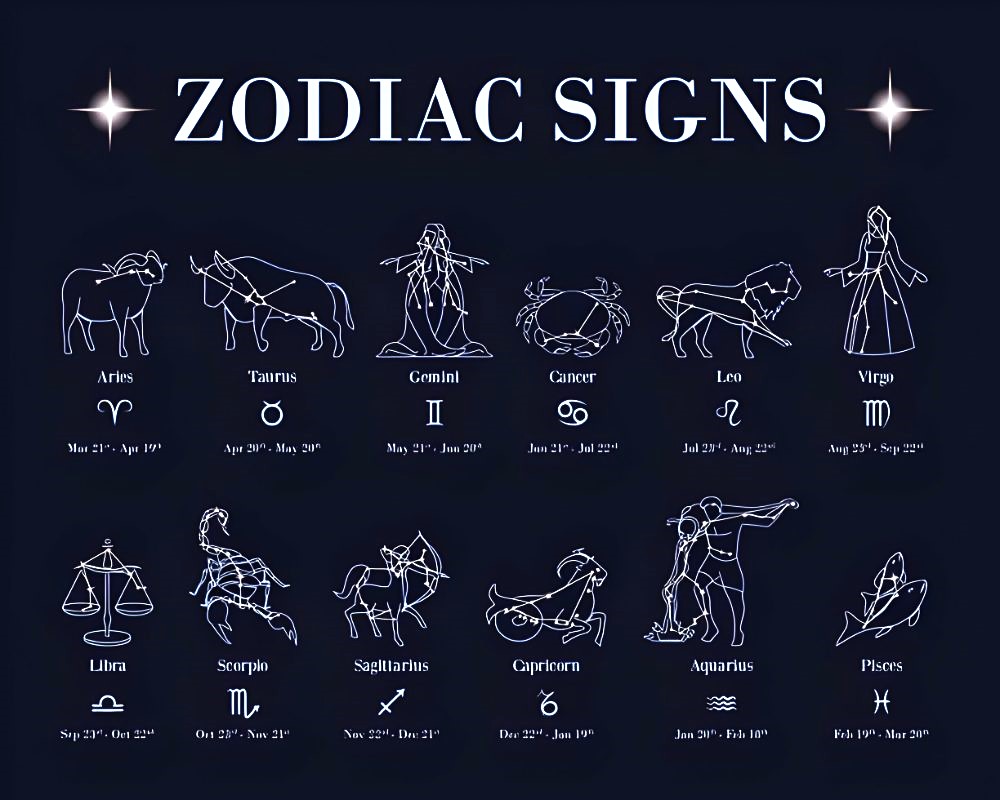
Now that you know more about the stars in the sky, you should locate these easy star constellations with these tips:
- Reduce Lights: Lights around you make it harder to see the stars. Therefore, you should stargaze in a place away from city lights, turn off your electronics, and let your eyes adjust to the dark. Then, the star will appear brighter, and patterns will be easier to notice.
- Check the Weather Forecast: You should check what weather there will be since clouds can make it harder to see the stars. Then, you should wait for a clear day to attempt to locate constellations.
- Get a Clear View: So you can have a better view of the constellations, you should go to an area where you can see most of the sky.
Conclusion
Now you know five easy star constellations and can easily locate them. Year-round, you can find the Ursa Major by looking up northwards. For the rest, you'll need to wait for the right season. For instance, in winter, you can see the brightest star, which is part of the Canus Major.
To find these constellations, you'll need to find their asterisms. For example, there's Orion's belt of three stars and Cygnus' Northern Cross. The next time there's a clear night, travel away from city lights and try to find Cassiopeia's simple W-shaped constellation.
Ready to capture your special moment?
Create Your Star Map →