


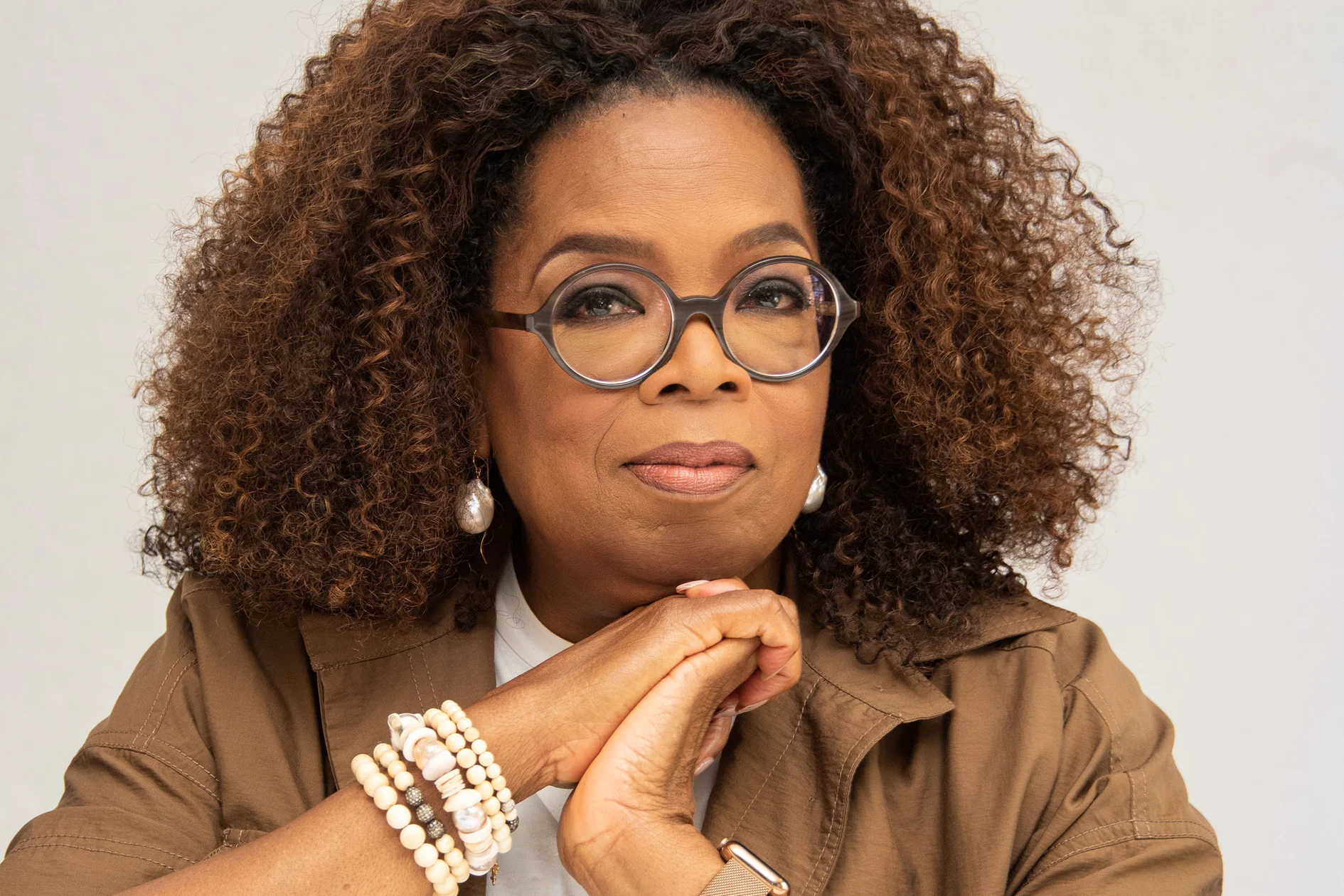
1. Marie Curie (1867–1934)
Marie Curie was a pioneering physicist and chemist best known for her groundbreaking research on radioactivity. Born in Poland, she moved to France to study at the Sorbonne, where she became the first woman to earn a degree in physics.
Along with her husband, Pierre Curie, she discovered polonium and radium, leading to major advancements in medical treatments like radiation therapy. She was the first woman to win a Nobel Prize and remains the only person to win in two different scientific fields—Physics and Chemistry.
Her work laid the foundation for nuclear science, but exposure to radiation led to her death from aplastic anemia in 1934. Despite the risks, her legacy continues to inspire scientists worldwide.
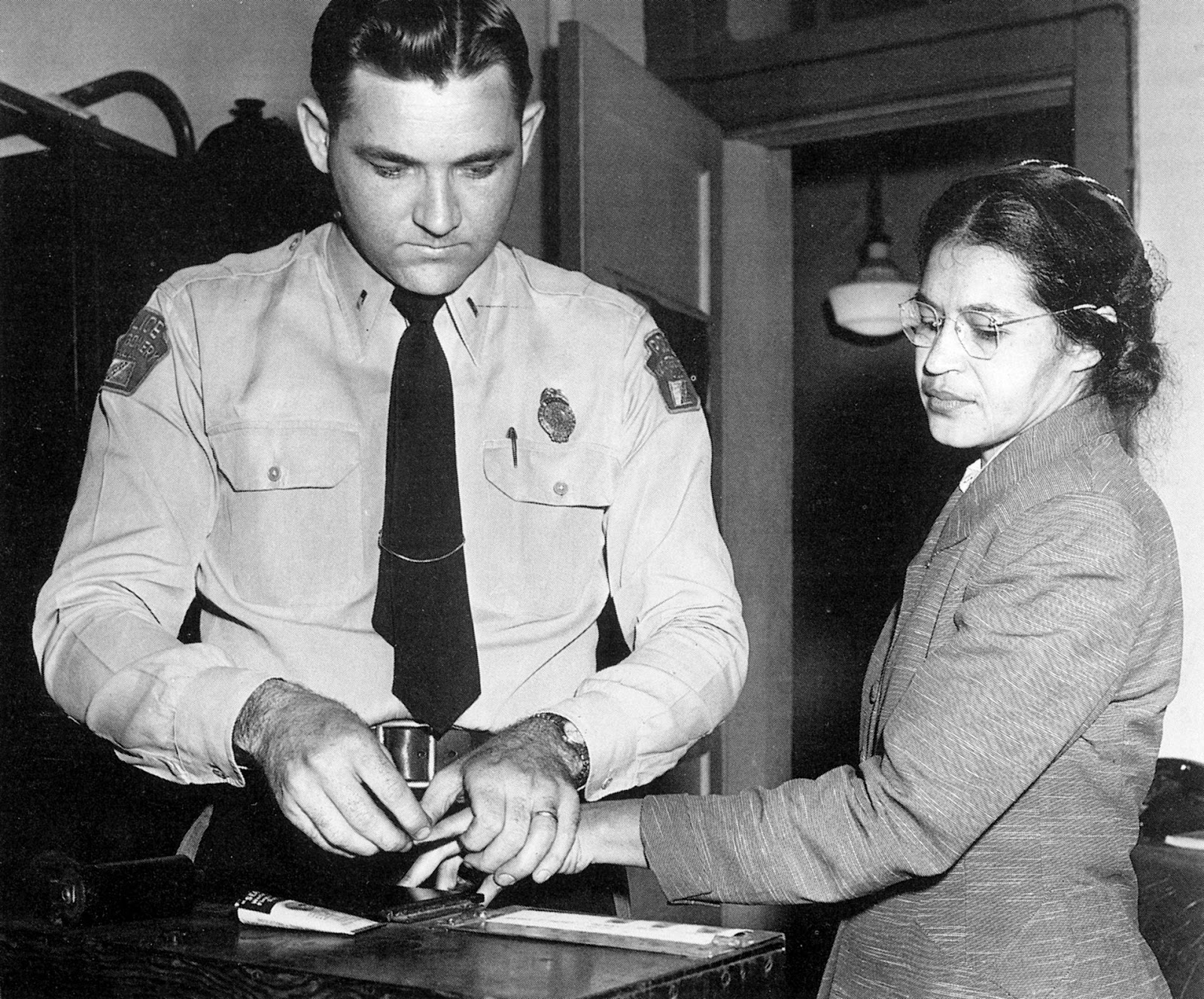
2. Rosa Parks (1913–2005)
Rosa Parks was an American civil rights activist best known for sparking the Montgomery Bus Boycott in 1955. Born in Alabama, she became involved in the NAACP (National Association for the Advancement of Colored People) and worked to fight racial injustice.
On December 1, 1955, Parks refused to give up her seat to a white passenger on a segregated bus in Montgomery, Alabama. Her arrest led to a 381-day bus boycott, led by Dr. Martin Luther King Jr., which played a crucial role in ending segregation laws in the U.S.
Known as the "Mother of the Civil Rights Movement," Parks continued to advocate for racial equality throughout her life. She received the Presidential Medal of Freedom and the Congressional Gold Medal for her contributions to American history.
3. Cleopatra (69–30 BCE)
Cleopatra VII was the last active Pharaoh of Egypt and one of history’s most famous rulers. Known for her intelligence, political acumen, and charm, she played a crucial role in Egyptian and Roman history.
She formed powerful alliances with Julius Caesar and later Mark Antony, using diplomacy and strategy to protect Egypt’s independence from Rome. Her reign was marked by efforts to strengthen Egypt’s economy, culture, and military.
After losing the Battle of Actium to Octavian (later Emperor Augustus), Cleopatra took her own life, reportedly by snakebite. Her legacy endures as a symbol of power, intelligence, and female leadership in a male-dominated world.
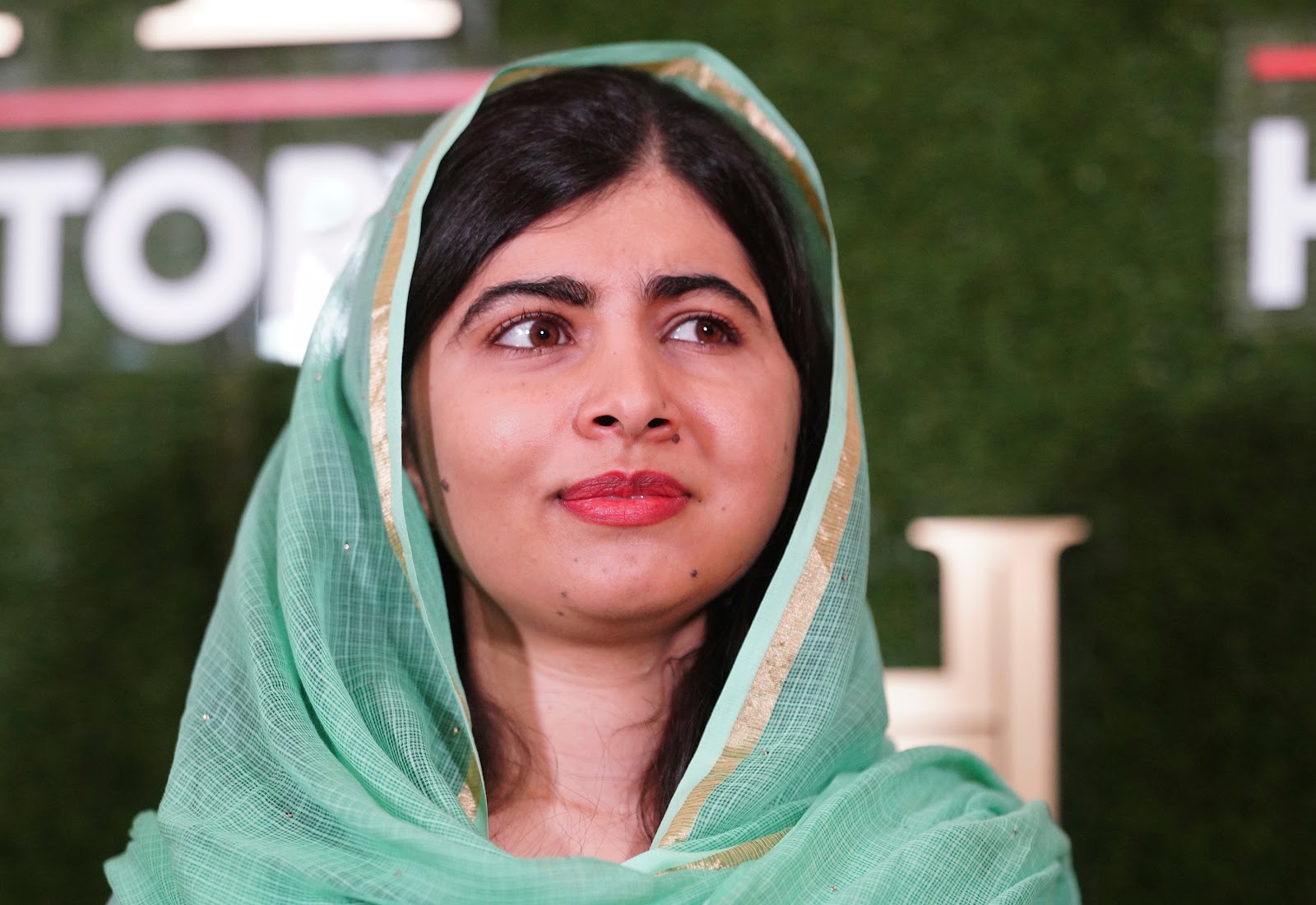
4. Malala Yousafzai (1997–Present)
Malala Yousafzai is a Pakistani education activist and the youngest Nobel Prize laureate. Born in Swat Valley, Pakistan, she spoke out against the Taliban’s ban on girls' education from a young age.
In 2012, at just 15 years old, she survived a gunshot to the head in an assassination attempt by the Taliban. Instead of being silenced, she became a global advocate for girls’ education, co-founding the Malala Fund to support schooling for young women worldwide.
She won the Nobel Peace Prize in 2014 at age 17 and continues to fight for equal education rights, inspiring millions around the world.
5. Mother Teresa (1910–1997)
Mother Teresa was a Catholic nun and humanitarian known for her lifelong dedication to helping the poor. Born Agnes Gonxha Bojaxhiu in Macedonia, she moved to India and founded the Missionaries of Charity in 1950.
She dedicated her life to caring for the sick, homeless, and dying, especially in the slums of Kolkata (Calcutta). Her selfless work earned her the Nobel Peace Prize in 1979. Despite criticism, she remained committed to her mission of serving the "poorest of the poor."
She was canonized as Saint Teresa of Calcutta in 2016, and her legacy continues to inspire humanitarian efforts worldwide.
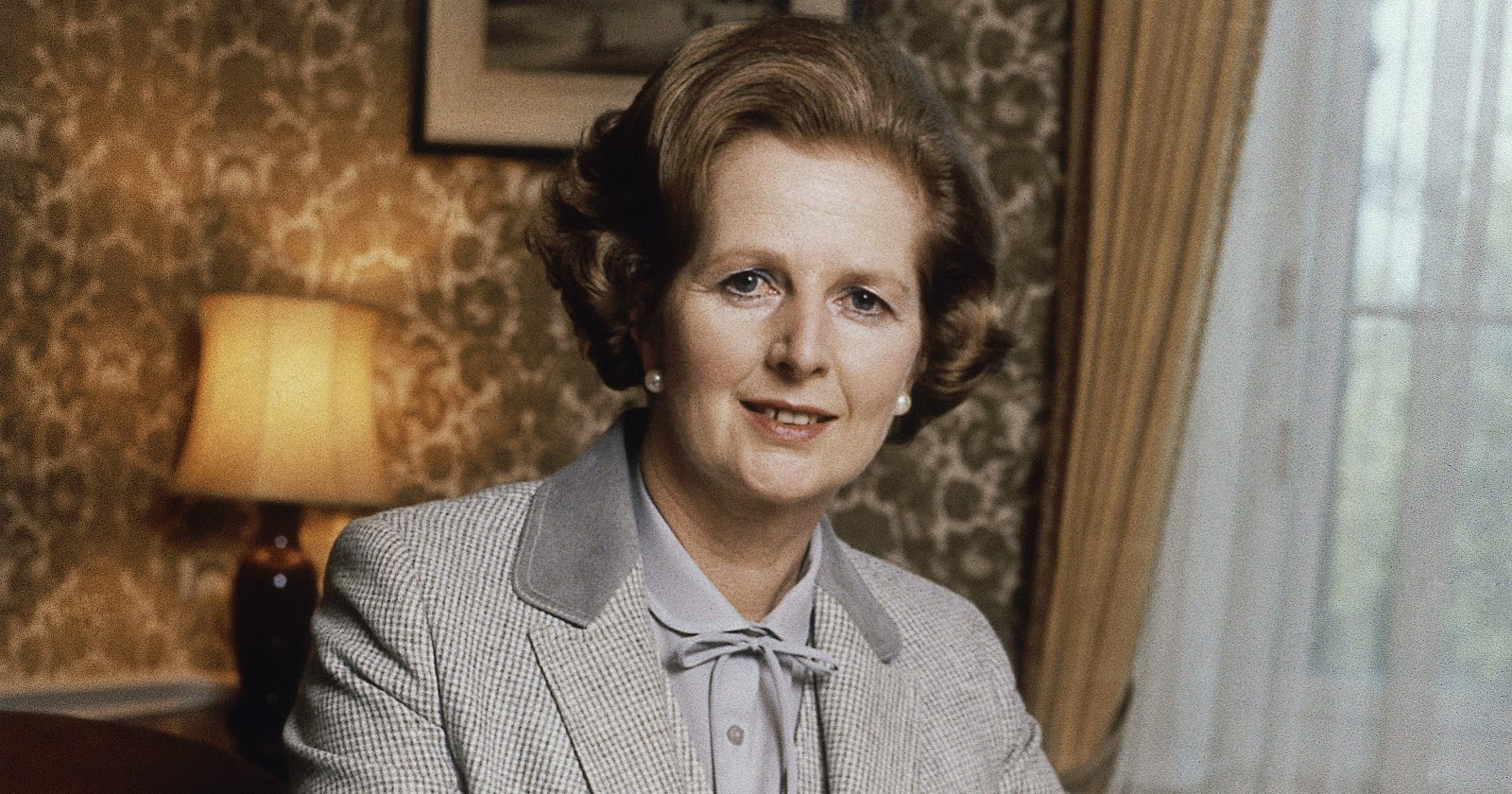
6. Margaret Thatcher (1925–2013)
Margaret Thatcher was the first female Prime Minister of the United Kingdom (1979–1990) and one of the most influential political leaders of the 20th century. Known as the "Iron Lady" for her strong leadership and conservative policies, she reshaped Britain’s economy by promoting free-market policies, privatization, and reducing the power of labor unions.
She played a key role in the Cold War, strengthening ties with the U.S. and standing firm against the Soviet Union. Her leadership during the Falklands War (1982) boosted her popularity.
Despite controversy over her economic and social policies, Thatcher remains a symbol of determination, resilience, and conservative leadership in global politics.
7. Frida Kahlo (1907–1954)
Frida Kahlo was a Mexican painter known for her powerful and deeply personal self-portraits that explored themes of identity, pain, and resilience. After surviving a severe bus accident at age 18, she turned to painting as a form of self-expression, often depicting her physical and emotional struggles.
Her work, influenced by Mexican folk art and surrealism, made her an icon of feminism, disability rights, and LGBTQ+ representation. Married to fellow artist Diego Rivera, she was also politically active, supporting communism and indigenous Mexican culture.
Though she gained greater fame after her death, Kahlo remains a symbol of strength, individuality, and artistic rebellion worldwide.
8. Oprah Winfrey (1954–Present)
Oprah Winfrey is a media mogul, talk show host, actress, and philanthropist who became one of the most influential women in the world. Born into poverty in Mississippi, she overcame a difficult childhood to become the host of The Oprah Winfrey Show (1986–2011), the highest-rated talk show in history.
She became the first Black female billionaire and built a media empire, including OWN (Oprah Winfrey Network). Her work has inspired millions through discussions on self-improvement, mental health, and social justice.
A dedicated philanthropist, she has funded education initiatives, scholarships, and leadership programs worldwide. Oprah remains a powerful advocate for women’s empowerment, literacy, and humanitarian causes.
9. Amelia Earhart (1897–Disappeared 1937)
Amelia Earhart was an American aviator and a pioneer in women’s aviation. She became the first woman to fly solo across the Atlantic Ocean in 1932, earning international fame and inspiring women in aviation.
A passionate advocate for women’s rights, she helped found the Ninety-Nines, an organization for female pilots. In 1937, while attempting to fly around the world, she mysteriously disappeared over the Pacific Ocean. Despite extensive searches, her fate remains one of history’s greatest unsolved mysteries.
Earhart’s legacy endures as a symbol of courage, ambition, and breaking barriers for women in male-dominated fields.

10. Simone de Beauvoir (1908–1986)
Simone de Beauvoir was a French philosopher, writer, and feminist best known for her groundbreaking work The Second Sex (1949), which became a foundational text for modern feminism. In it, she explored the social and cultural construction of gender, famously stating, “One is not born, but rather becomes, a woman.”
A key figure in the existentialist movement, she was also the lifelong partner of philosopher Jean-Paul Sartre. Beyond her philosophical work, she wrote novels, essays, and memoirs that challenged traditional views on sexuality, relationships, and women’s roles in society.
Her ideas have had a profound impact on feminist theory, gender studies, and the struggle for women's rights, making her one of the most influential intellectuals of the 20th century.
Ready to capture your special moment?
Create Your Star Map →